Work · Case study · HorizoonX × Datadom
Building the AI engine behind a F&B super-app.
- Client
- HorizoonX · Riyadh, Saudi Arabia
- Industry
- Food & beverage technology · SaaS
- Engagement
- AI strategy & MVP development
- Published
- April 2026
The client
In just a few years HorizoonX, a Riyadh-based startup, built a full-stack cloud platform that lets restaurants, cafés, and cloud kitchens across Saudi Arabia run their entire operation from a single app: point of sale, inventory, ordering, digital menus, payments, supplier sourcing, even delivery logistics.
The team at HorizoonX knew that dashboards and reports would only take them so far. Their platform was sitting on a growing mountain of operational data, from transaction histories and inventory movements all the way to promotional activity. They wanted that data working for their customers from the start, immediately useful to restaurant owners who are busy running a business.
What an operator actually needs
When we started working together, we spent time understanding not just HorizoonX's technology, but what their users actually wanted.
A restaurant operator in Riyadh doesn't need a generic AI chatbot. They need to know that they're about to run out of chicken before the Friday rush, that latte sales have quietly doubled over the past two weeks, that the walk-in cooler is drawing more power than it should, or that the new cappuccino promo has no signage up in three of their locations.
Stock-out forecasting
Inventory movements against sales velocity and supplier lead times. Flags low-stock items alongside the supplier risk, before the shelf is empty.
Sales trend detection
Week-over-week movement per item and location, summarised in plain language instead of a chart nobody opens.
Resource usage monitoring
Utility consumption over time. Catches off-hours anomalies like a cooler drawing more power than it should.
Signage tracking & creation
Spots the gap between active promotions and what is actually displayed in-store, then generates signage that fits the large screens.
Proving value fast
Rather than disappearing into a lab for months, we designed a first phase that could prove value fast.
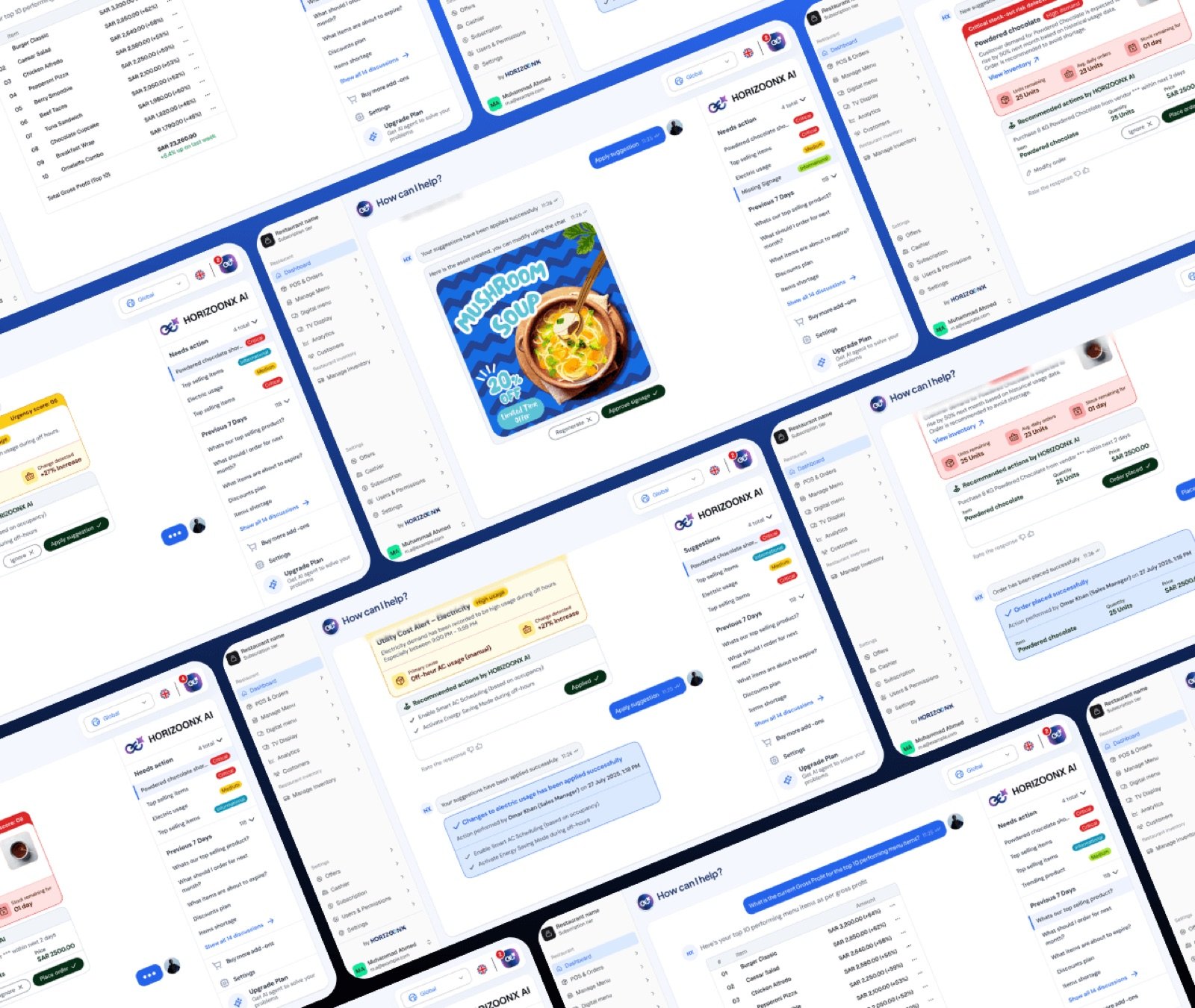
HorizoonX was already running on Snowflake, so we prototyped directly on their existing environment using Snowflake Cortex. Quite quickly we had working demos generating natural-language insights from real operational data: flagging low-stock items with their supplier lead-time risk, summarising week-over-week sales movements in plain language, catching off-hours utility anomalies, spotting gaps between active promotions and what was on the screens in store, and automatically generating tasteful promotional signage sized for the large displays.
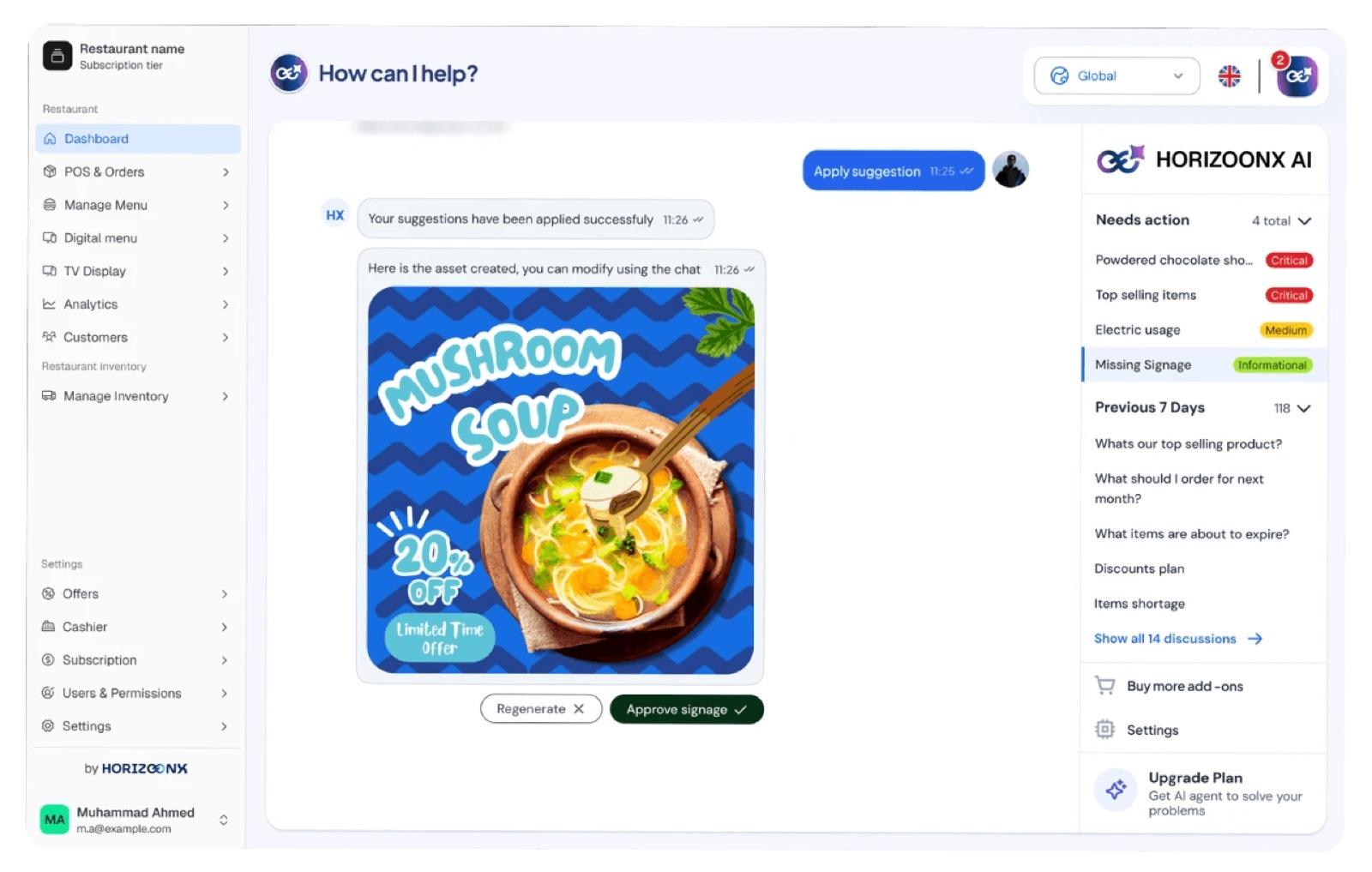
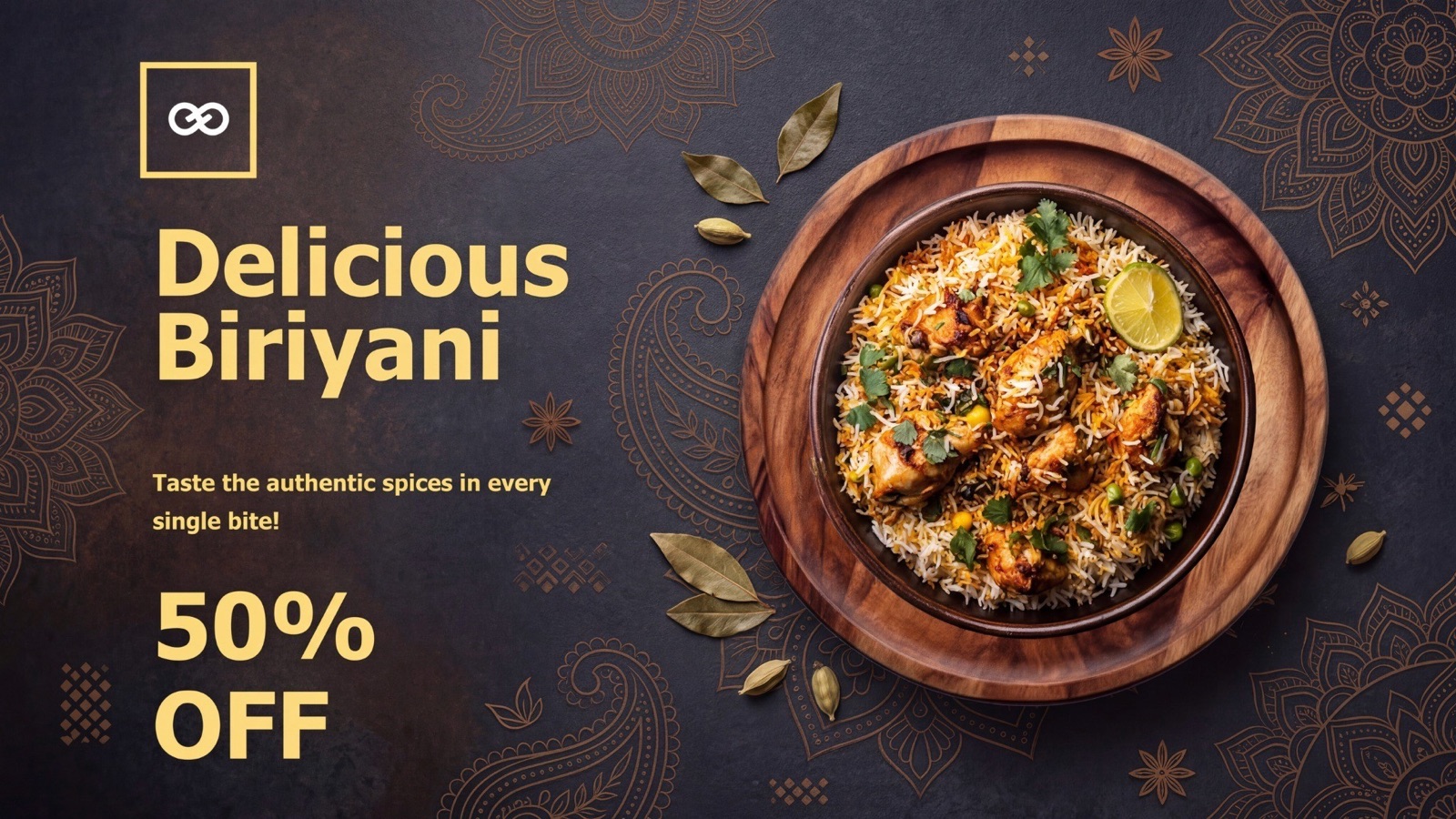
The architecture was designed so these monitoring modules run independently, and can be picked up by an orchestrating agent in a later phase that pulls in the right function mid-conversation.
What HorizoonX walked away with
By the end of the engagement, HorizoonX had a validated AI strategy, a working MVP across all four monitoring use cases, and a clear technical path toward the conversational and agentic capabilities that will define the next chapter of their product.
What we're most proud of is that the roadmap and the MVP fit them. They match their product, their users, their stage, and their ambitions. It's something they can keep building on confidently as they scale in their market.
Start at kickoff.
Bring the stalled pilot, the data you don't trust, or the roadmap nobody signed off. Thirty minutes with Yacine. You'll leave knowing whether there is a project worth doing, and we'll say so if there isn't.